


Gastroenteritis in dogs is a relatively common condition where there is inflammation of the stomach and intestines. This results in vomiting, diarrhoea or both. Though common, canine gastroenteritis can be frustrating and, in severe cases, quite scary. There are many possible causes of gastroenteritis in dogs, so it’s useful to know what the signs are, what you can do for your dog at home and when you should seek veterinary help.
Gastrointestinal signs in dogs – acute or chronic?
Canine gastroenteritis is further separated into two types – acute and chronic. Acute gastroenteritis comes on suddenly. Chronic gastrointestinal signs occur over the course of weeks, months or even years. Acute gastroenteritis usually goes away by itself; in other cases, it will progressively worsen until veterinary treatment is needed. Sometimes, acute gastroenteritis in dogs can become chronic.

Signs of gastroenteritis in dogs
Gastroenteritis in dogs typically starts with soft stool that becomes progressively wetter. Later on, you may notice mucus in the stool, your dog straining to produce a bowel movement and/or defecation in the house. You can also see diarrhoea with vomiting. Less often, it can manifest as vomiting alone, though if the condition is confined to the stomach, veterinarians may refer to it as gastritis.
Here are the common signs:
- Explosive and/or frequent bowel movements
- Tarry faeces
- Large volumes of watery stool
- Blood in faeces and/or vomit
- Lethargy
- Restlessness
- Abdominal pain – your dog may whine or stand in a hunched position, frequently adopt the play bow position or act withdrawn.
- Nausea (drooling, swallowing frequently)
- Vomiting
- Lack of appetite
What are the causes of gastrointestinal upset in dogs?
Gastroenteritis in dogs can have many potential causes. Here's a list of the more common ones:
- Ingestion of spoiled or raw foods or of non-food items
- Ingestion of poisons such as slug bait
- Viruses (parvovirus, distemper, etc.). These are absolutely life-threatening diseases, so always make sure your dog’s vaccines are up to date
- Intestinal parasites
- Changes in intestinal flora/microbiome
- A food allergy or sensitivity
- Chronic enteropathy (previously called inflammatory bowel disease or IBD)
- Pancreatitis
- Gastrointestinal (GI) ulcers
- Gastrointestinal cancers
- Foreign bodies
- Intestinal obstruction
- Genetic disease
Unfortunately, it's usually difficult to pinpoint the exact cause of the condition. However, this doesn't mean that your dog can't be cured. In fact, most veterinary treatment is successful.
How long does gastroenteritis last in dogs?
This is a difficult question to answer because it depends on the cause and whether the signs are acute or chronic. Most cases of acute gastroenteritis will resolve with time and some supportive care at home. These cases typically last 24–48 hours, the same as when humans get a stomach bug.
If your dog is vomiting or has diarrhoea, the first thing to do is make sure they stay hydrated. Vomiting in particular can lead to rapid dehydration and loss of essential minerals. Make sure there are plenty of fresh water bowls around, so your dog never has to go far to get a drink. You can also put electrolyte powder in the water to help replace the minerals, but take care that the flavour doesn’t put your dog off drinking.
Don’t withhold food unless they are actively vomiting. Food is essential for recovery and healing of the gastrointestinal tract. Your vet can provide recommendations for special highly digestible foods that are designed for pets with gastrointestinal upset. While cooked chicken breast and rice has been recommended historically, this isn't balanced and may not provide all of the necessary nutrients. Speak to your vet clinic as soon as you can to get the right food.
Chronic cases, as mentioned above, may last weeks or months. These always need veterinary attention.
Although acute cases of dog gastroenteritis may resolve on their own, there are some instances where it is essential to see your vet, as gastroenteritis can be life-threatening.
When to Take Your Dog to the Vet

Many dogs with mild acute gastroenteritis will appear surprisingly normal. They may show no signs other than a change in the quality, quantity, frequency or location of their stool. However, if you notice any of the following symptoms, seek veterinary help as quickly as possible. Be extra cautious with puppies, senior dogs and small breeds, as these will become dehydrated and ill much more quickly than larger adult dogs.
When to see a vet:
- Symptoms have lasted more than 48 hours. If your dog is regularly vomiting for more than 24 hours, get help.
- There is blood in the vomit or the diarrhoea. Also watch for ‘coffee grounds’ in the vomit or very dark or black stools. These are potentially more serious signs of intestinal bleeding.
- Your dog seems to be in pain – withdrawn, hunched, whining, adopting the play bow position.
- Your dog is not eating.
- Your dog is depressed or lethargic and reluctant to move.
- Your dog is dehydrated – a good way to test this is with the ‘skin tent test’. Gently pull the skin over your dog’s shoulders up in the air and let go of it. It should snap back into position immediately. If it’s slow to return, your dog is dehydrated. If it stays up, your dog is dangerously in need of intravenous fluids and veterinary help.
- You think your dog might have eaten something toxic.
How gastroenteritis is managed in dogs
Calling your vet should always be the first step if you suspect an issue with your dog's digestive health. They can let you know the best recommendations for your dog and tell you if your pet needs to be examined straight away. Your veterinarian may need to run tests such as a faecal examination, bloodwork, x-rays, or an ultrasound to determine the cause of your dog’s symptoms. Some cases of gastroenteritis, especially chronic cases, may need feeding trials with a specialised food, biopsies of the gut or exploratory surgery.
Your vet may recommend one or more of the following:
- A dietetic food is typically recommended. This may be for short term recovery, but some dogs may need a diet change for life (see below)
- Medication to control nausea and vomiting
- Anti-parasite medication
- Anti-inflammatory drugs
- Antibiotics (these should only be given if there is a strong suspicion of a severe bacterial disease, as antibiotics can have a devastating effect on the normal microbiome)
The role of nutrition in gastroenteritis
The role nutrition plays in gastroenteritis can't be overstated because good nutrition can benefit the majority of cases. We now know just how important the microbiome is in dogs, humans and many other animals. It affects our immune system and even affects our moods and brain activity. It is a powerful thing that needs nourishment and looking after.
Gastrointestinal foods fall into a few categories, and which one your dog is recommended will depend on what your vet feels is the underlying cause.
- Highly digestible foods with lower fibre and a moderate fat level. These foods are used for recovery and up to two weeks of acute gastroenteritis. They are also important for dogs that are vomiting, as high levels of fibre can delay gastric emptying and make vomiting worse. They are also important for underweight dogs that need to maximise the nutrition they get from smaller volumes of food.
- Highly digestible foods with low fat levels. These foods are important for dogs with, or prone to, pancreatitis.
- High-fibre foods with added prebiotic fibres. Most GI diets these days will contain prebiotic fibre, but some foods provide a blend of soluble and insoluble fibre as well as important prebiotic fibre. Prebiotic fibre is indigestible to your dog but it nourishes the ‘good bacteria’. This supports gut health and keeps the ‘bad bacteria’ at bay. These foods can be beneficial for many dogs, especially those with chronic gastrointestinal symptoms.
- Foods for dogs with food sensitivities or adverse food reactions (AFRs). AFRs are food allergies and intolerances. The vast majority of AFRs are to protein sources such as beef, dairy and chicken. These specialised foods fall into two categories:
- Hydrolysed foods. These are foods in which the protein has been broken down into pieces that are too small for the body to recognise and react to.
- Novel protein foods. These are foods that contain a protein source your dog has never had before and would be unlikely to react to. They can consist of things like venison, duck, egg or insect protein.
- Foods high in crude fibre. These are useful for diabetic dogs, as the high fibre content slows down the release of sugars into the bloodstream and can help stabilise diabetic patients. They are also used to bulk up stools, which can help with anal gland issues and other fibre-responsive problems.
In summary…
Many cases of gastrointestinal symptoms in dogs, both acute and chronic, can be very successfully managed with a change in nutrition or with nutrition and medications. Of course, some causes, like cancer, poisoning or viral diseases, can be very serious and may need additional treatments. If ever you are concerned about your dog’s health, seek veterinary help sooner rather than later, as an early diagnosis is always best to reduce the severity of the symptoms and the problem itself. Together with your vet, you can ensure your dog is feeling tiptop again as soon as possible.
Frequently Asked Questions about dog gastroenteritis
Can dogs recover from gastroenteritis without treatment?
Yes, in some cases. Acute gastroenteritis in dogs is often self-limiting and will resolve in 24–48 hours, much like humans with an upset stomach. However, seeking veterinary advice is always a good thing to do.
What should I feed a dog with gastroenteritis?
If at all possible, get a special highly digestible food from your vet. Feed your dog frequent small meals.
Is gastroenteritis contagious between dogs?
In most cases, no, but some diseases can be contagious, so always be careful and keep your dog’s vaccines up to date.
Reviewed by Becky Mullis, DVM, DACVIM (Nutrition) and Emma Milne BVSc FRCVS.

Related products
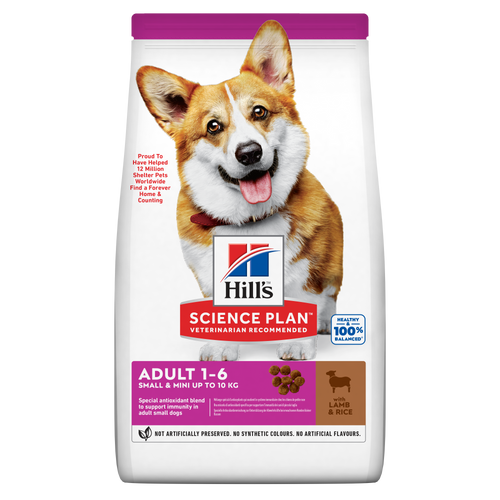
alimento para perros adultos de razas pequeñas y mini con cordero y arroz
El alimento Hill's Science Plan para perros adultos de razas pequeñas y mini con cordero y arroz es un alimento completo, especialmente formulado con la tecnología ActivBiome+ Multi-Benefit.
Nutrición adaptada a las necesidades únicas de los perros pequeños durante el mejor momento de su vida.
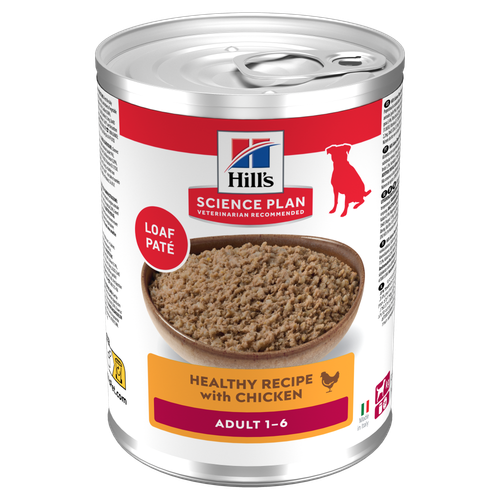
alimento para perros adultos con pollo
Hill's Science Plan alimento húmedo para perros adultos con pollo es un alimento completo de alta calidad para perros a partir de 1 año de edad. A tu perro le encantará este paté de pollo deliciosamente suave, formulado para una nutrición equilibrada y una salud general.
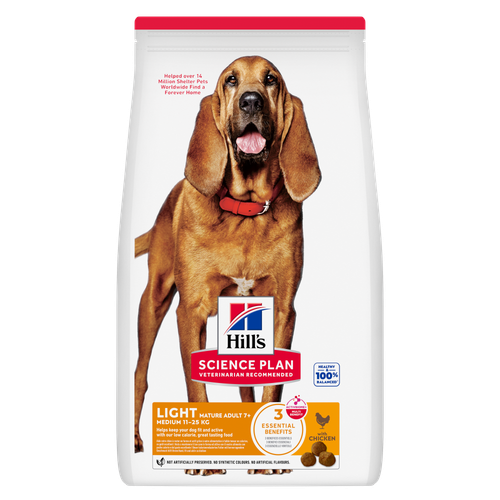
Light alimento para perros mayores de razas medianas con pollo
Hill's Science Plan Light alimento para perros mayores de razas medianas con pollo es un alimento completo especialmente formulado con la tecnología ActivBiome+ Multi-Benefit.
Ayuda a mantener a tu perro en forma y activo con nuestro delicioso alimento bajo en calorías.
Nutrición precisa para perros mayores menos activos que necesitan un alimento bajo en calorías que les ayude a mantener un peso y un estilo de vida saludables.
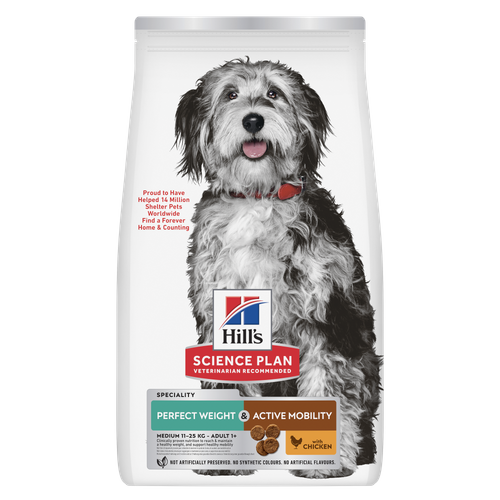
Perfect Weight & Active Mobility alimento para perros adultos de razas medianas con pollo
Hill's Science Plan Perfect Weight & Active Mobility alimento para perros de razas medianas con pollo es una nutrición clínicamente probada que ayuda a alcanzar y mantener un peso saludable, y favorece una movilidad sana.
Related articles

Cómo Saber si Tu Perro Está Mal del Estómago y Cómo Tratarlo
En este artículo descubrirás cómo detectar si tu perro está mal del estómago de manera puntual o si presenta problemas digestivos crónicos, qué tratamientos puede ofrecer el veterinario y por qué la alimentación puede ayudar.

Microchips en Perros: Beneficios, Costes y Detalles | Hill's Pet España
Descubre por qué poner microchips a los perros es vital para su seguridad. Te contamos las ventajas, los costes y los detalles para proteger a tu amigo de cuatro patas. Descubre más en Hill's Pet España.

Todo lo Que Debes Saber Sobre los Perros de Razas Toy
Información esencial sobre el cuidado de los perros de razas toy y sus necesidades específicas. Para más información sobre las razas toy y consejos sobre perros, visita Hill's Pet España.
¿Qué es el síndrome del perro pequeño?
Explora las causas del síndrome del perro pequeño y descubre cómo prevenir los problemas de comportamiento de los perros pequeños. Visita Hill's Pet España para más información y consejos de expertos en salud y comportamiento canino.
Put your dog on a diet without them knowing
Our low calorie formula helps you control your dog's weight. It's packed with high-quality protein for building lean muscles, and made with purposeful ingredients for a flavourful, nutritious meal. Clinically proven antioxidants, Vitamin C+E, help promote a healthy immune system.
Put your dog on a diet without them knowing
Our low calorie formula helps you control your dog's weight. It's packed with high-quality protein for building lean muscles, and made with purposeful ingredients for a flavourful, nutritious meal. Clinically proven antioxidants, Vitamin C+E, help promote a healthy immune system.